Description
Produced primarily in the mountainous regions of Morocco, this classic concentrate is known for its sandy texture, golden to dark brown appearance, and balanced terpene profile. Over decades, Moroccan hash has become a cornerstone of global hash culture and remains highly sought after by enthusiasts who appreciate traditional resin craftsmanship.
What Is Moroccan Hash?
For anyone asking what is Moroccan hash, it is a traditional cannabis concentrate created by separating resin glands from dried cannabis plants and compressing them into blocks or slabs of hashish.
Unlike many modern concentrates that rely on chemical extraction methods, Moroccan hash is traditionally produced using dry sift techniques. Dried cannabis plants are gently beaten or sifted over fine screens to collect trichome-rich resin powder, often referred to as kief. This resin is then pressed together to create smooth, aromatic hash.
Moroccan hash is widely known for its clean texture, approachable potency, and terpene-rich profile that reflects centuries of hash-making expertise.
The History of Moroccan Hash
Morocco has been associated with hash production for generations, particularly in the Rif Mountain region where cannabis cultivation became deeply rooted in local agricultural culture.
Traditional Moroccan hash production evolved through artisanal methods focused on preserving resin quality while maximizing purity and aroma. Over time, Moroccan hash gained international recognition and became one of the most exported and consumed forms of hashish worldwide.
Today, authentic Moroccan hash continues to symbolize classic dry sift craftsmanship and remains one of the most influential hash styles ever produced.
Aroma, Flavor, and Texture
One of the reasons Moroccan hash remains so popular is its distinctive aroma and smooth sensory profile.
High-quality Moroccan hash commonly features:
- Earthy and herbal aromas
- Notes of spice, cedar, pine, and sweetness
- Smooth and mellow flavor profile
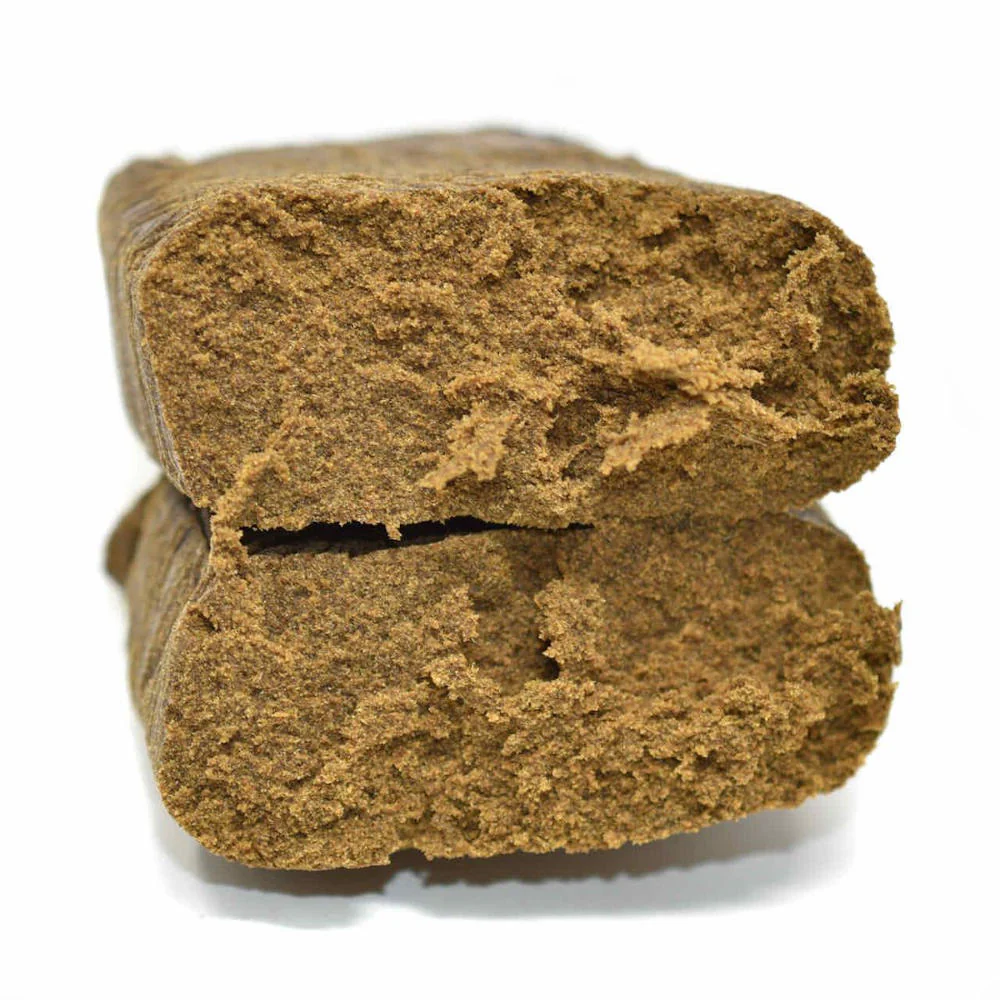
- Sandy, crumbly, or slightly pliable texture depending on pressing method
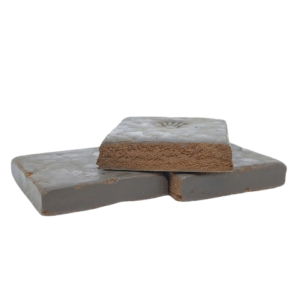
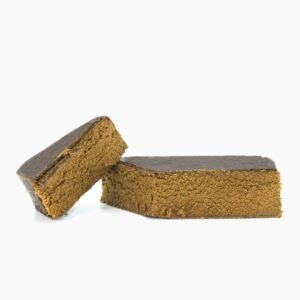
Traditional Moroccan hash often ranges from light golden brown to darker caramel shades. Softer pressed varieties may feel slightly oily, while dry sift styles maintain a powdery or crumbly consistency that reflects the purity of collected trichomes.
The terpene profile is commonly associated with natural cannabis aromas rather than overpowering artificial flavors, making Moroccan hash especially appreciated among traditional hash enthusiasts.
How Is Moroccan Hash Made?
Many people search for how Moroccan hash is made because of its famous dry sift process and artisanal reputation.
Traditional production typically involves:
1. Drying the Cannabis Plants
Harvested cannabis plants are carefully dried in controlled conditions to preserve resin quality and terpene content.
2. Sifting the Resin
The dried plants are beaten or shaken over fine mesh screens to separate trichomes from plant material. This creates a fine resin powder rich in cannabinoids and terpenes.
3. Pressing the Resin
The collected resin is then pressed using gentle heat and pressure to form blocks, slabs, or balls of hashish.
4. Curing and Aging
Some Moroccan hash varieties undergo additional curing to deepen aroma, color, and texture over time.
This traditional process is valued because it preserves the natural qualities of the cannabis resin without relying on industrial solvents or modern extraction systems.
Different Types of Moroccan Hash
Moroccan hash can vary significantly depending on resin quality, sift grade, and pressing methods.
Common styles include:
- Blonde Moroccan Hash
- Double Filtered Moroccan Hash
- Pollen Hash
- Soft Pressed Moroccan Hash
- Traditional Dry Sift Moroccan Hash
Premium grades are typically made from finer resin collections with higher trichome purity, resulting in smoother texture and richer aroma.
Moroccan Hash vs Afghan Hash
Moroccan hash is often compared to Afghan hash because both are iconic traditional concentrates, yet they differ in production style and texture.
Moroccan Hash
- Dry sift production
- Often crumbly or sandy
- Light earthy and herbal profile
- Golden to brown appearance
Afghan Hash
- Hand pressed or heavily compressed
- Sticky and dense texture
- Dark exterior with spicy aroma
- Rich oily consistency
These differences make Moroccan hash especially popular among users who prefer lighter textures and classic dry sift characteristics.
Why Moroccan Hash Remains Legendary
Few concentrates have influenced global hash culture as much as Moroccan hash. Its connection to centuries-old craftsmanship, mountain-grown cannabis genetics, and traditional resin techniques has made it a benchmark for quality hashish worldwide.
From its golden appearance to its smooth earthy aroma, Moroccan hash continues to represent authenticity, tradition, and artisanal hash-making at its finest.
Whether you are exploring traditional dry sift concentrates or searching for authentic hash heritage, Moroccan hash remains one of the most respected and recognizable resin products in the world.